How to Grow Harris Model Parsnip From Seed: A Complete Guide for Home Gardeners
Parsnips are one of the most underrated root vegetables in the home garden. Sweet, earthy, and incredibly versatile in the kitchen, parsnips reward patient gardeners with rich flavor that improves after cold weather. Among the many varieties available, Harris Model Parsnip has long been favored for its uniform roots, smooth texture, and dependable performance. If you are looking to grow parsnips successfully from seed, this guide will walk you through everything you need to know about growing Harris Model Parsnip from seed, from soil preparation to harvest and storage.
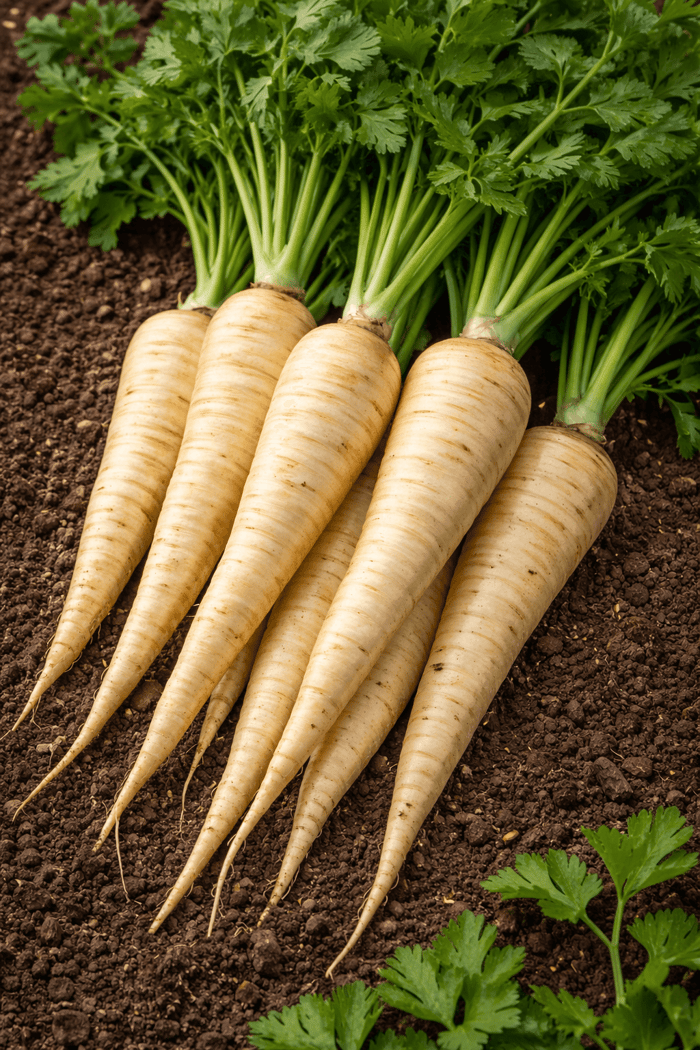
Parsnips are a cool season crop that requires a long growing period, but they are well worth the wait. When grown correctly, Harris Model Parsnip produces long, creamy white roots with excellent sweetness and a classic parsnip flavor. Whether you are growing in raised beds or traditional garden rows, following the right steps makes a significant difference in both yield and quality.
Harris Model Parsnip Seeds

$2.49
Harris Model Parsnip Seeds - Heirloom, Non-GMO, Non-Hybrid, Open-Pollinated Grow your own flavorful and nutritious Harris Model Parsnips with our premium heirloom seeds! Perfect for gardeners of all levels, these parsnip seeds produce smooth, white roots that are renowned for… read more
Why Choose Harris Model Parsnip
Harris Model Parsnip is a time tested variety known for producing smooth, tapered roots that are ideal for cooking, roasting, soups, and winter storage. Gardeners appreciate this variety for its consistent shape and strong performance across a range of growing conditions.
Key characteristics of Harris Model Parsnip include:
Long, straight, uniform roots
Creamy white flesh with a sweet, nutty flavor
Excellent cold tolerance
Performs well in loose garden soil and raised beds
Heirloom, open pollinated, non hybrid, and non GMO when sourced from reputable seed suppliers
Because parsnips stay in the ground for several months, selecting a reliable variety like Harris Model helps ensure a successful harvest even through cool fall temperatures.
Understanding Parsnip Growing Requirements
Parsnips are a true cool weather crop. Unlike fast growing vegetables, parsnips take time to germinate and mature. They are best direct sown outdoors and do not transplant well due to their long taproots.
Harris Model Parsnip typically requires 120 to 130 days to mature, depending on weather conditions and soil quality. Their flavor improves significantly after exposure to frost, which converts starches into sugars within the root.
Key growing needs include:
Loose, deep soil with good drainage
Full sun for best root development
Consistent moisture throughout the season
Patience during germination
Understanding these requirements early will set you up for success.
When to Plant Harris Model Parsnip Seeds
Timing is critical when growing parsnips from seed. Parsnips are planted early in the growing season, as soon as the soil can be worked.
Best planting time:
Early spring once soil temperatures reach at least 50 degrees Fahrenheit
Typically 2 to 4 weeks before your last frost date
Because parsnips take so long to mature, planting early gives roots time to fully develop before winter.
In mild climates, parsnips can also be planted in late summer for overwintering and spring harvest. However, spring planting is the most common method for home gardeners.
Preparing the Soil for Parsnip Seeds
Soil preparation is one of the most important steps when growing Harris Model Parsnip. Parsnips develop long taproots, and compacted or rocky soil can cause roots to fork or become misshapen.
Ideal Soil Conditions
Loose, well drained soil
Free of stones, clumps, and debris
Slightly acidic to neutral pH, ideally between 6.0 and 7.0
Before planting, loosen the soil to a depth of at least 12 inches. Raised beds are an excellent option because they allow for better soil control and drainage.
Avoid adding fresh manure before planting, as excess nitrogen can cause excessive leaf growth and poor root development. Instead, amend soil with well aged compost several weeks before sowing seeds.
How to Sow Harris Model Parsnip Seeds
Parsnip seeds have a reputation for slow and uneven germination. This is normal and should not cause concern.
Direct Sowing Instructions
Sow seeds directly into the garden
Plant seeds about 1/2 inch deep
Space seeds 2 inches apart
Rows should be spaced 12 to 18 inches apart
Parsnip seeds are best planted fresh each season, as older seeds have reduced germination rates.
After planting, water gently but thoroughly. Keep soil consistently moist during germination, which can take 14 to 28 days depending on temperature and moisture.
Many gardeners mark parsnip rows with quick germinating crops like radishes so they remember where parsnips are planted while waiting for them to emerge.
Caring for Parsnip Seedlings
Once seedlings appear, early care focuses on thinning and consistent moisture.
Thinning
When seedlings reach 2 to 3 inches tall:
Thin plants to 4 to 6 inches apart
Choose the strongest seedlings and remove weaker ones
Proper spacing allows roots to grow long and straight without competition.
Watering
Parsnips require consistent moisture, especially during the first half of the growing season.
Water deeply once or twice per week
Avoid letting soil dry out completely
Mulch lightly once seedlings are established
Mulching helps retain moisture and regulate soil temperature while reducing weed competition.
Fertilizing Harris Model Parsnip
Parsnips are not heavy feeders, but they do benefit from balanced nutrition.
Recommended fertilization approach:
Incorporate compost before planting
Apply a balanced organic fertilizer once plants are established
Avoid high nitrogen fertilizers
Excess nitrogen encourages leafy growth at the expense of root size and quality. Slow, steady growth produces the best flavored parsnips.
Sunlight Requirements
Harris Model Parsnip grows best in full sun.
Aim for at least 6 to 8 hours of direct sunlight per day
Partial shade may reduce root size and sweetness
Adequate sunlight ensures strong root development and healthy foliage.
Common Problems When Growing Parsnips
Parsnips are relatively low maintenance, but a few common issues may arise.
Poor Germination
Slow or uneven germination is common. Using fresh seed and maintaining consistent soil moisture improves results.
Forked Roots
Caused by compacted soil, rocks, or excessive nitrogen. Deep soil preparation is essential.
Pests
Common pests include carrot rust fly and aphids.
Preventive measures include:
Floating row covers early in the season
Crop rotation
Keeping garden beds free of weeds
Bitter Flavor
Parsnips harvested too early may taste less sweet. Allowing roots to mature fully and experience cold temperatures enhances flavor.
When and How to Harvest Harris Model Parsnip
Parsnips are typically harvested in late fall after a few frosts.
Roots are ready when they reach 10 to 12 inches long
Flavor improves after frost exposure
Use a garden fork to loosen soil before pulling
One of the unique benefits of parsnips is their ability to stay in the ground well into winter. In many climates, they can be harvested as needed until the ground freezes solid.
Storing Parsnips After Harvest
Parsnips store exceptionally well.
Storage options include:
Refrigeration in a perforated plastic bag
Root cellar storage in damp sand
Leaving roots in the ground with heavy mulch in mild climates
Stored properly, parsnips can last several months while maintaining flavor and texture.
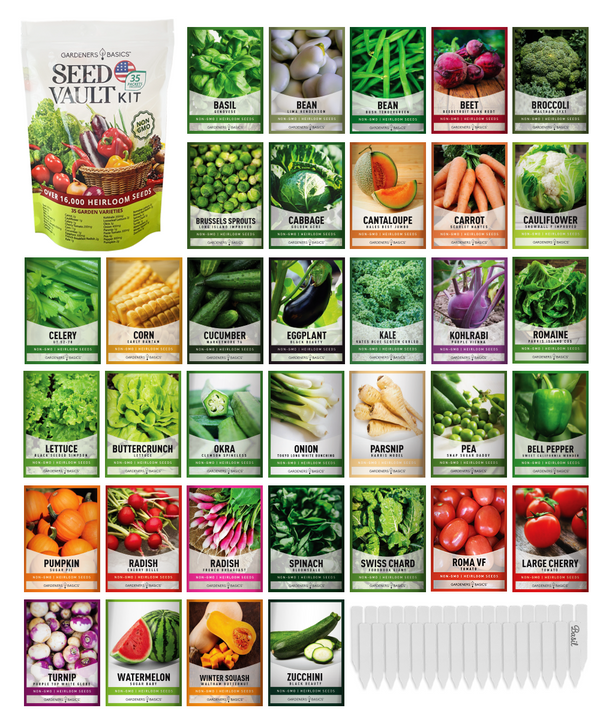
Vegetable Seed Vault Kit – 35 Heirloom Non-GMO Vegetable Seeds for Gardening & Survival Food Storage
$29.95
$49.95
Vegetable Seed Vault Kit – 35 Heirloom Non-GMO Vegetable Seeds The Vegetable Seed Vault Kit includes 35 heirloom, non-GMO vegetable seed varieties with over 16,000 seeds, making it a complete survival seed vault for home gardening, food security, and long-term… read more
Why Harris Model Parsnip Is a Garden Essential
Harris Model Parsnip is an excellent choice for gardeners who want a dependable, flavorful root crop that thrives in cool conditions. While parsnips require patience, the payoff is worth it. Their sweet flavor, long storage life, and versatility in the kitchen make them a valuable addition to any home garden.
By planting early, preparing deep soil, and maintaining consistent moisture, you can grow beautiful parsnips from seed that outperform store bought options. This heirloom variety has stood the test of time for good reason and continues to be a favorite among experienced gardeners.
If you are looking for high quality parsnip seeds, Gardeners Basics offers heirloom, non GMO, open pollinated seeds selected for strong germination and reliable performance. Growing Harris Model Parsnip from seed is a rewarding experience that brings both flavor and satisfaction to your garden season