
Table of Contents
- Why Choose Clemson Spineless Okra?
- Understanding Okra’s Growing Requirements
- Preparing the Soil for Clemson Spineless Okra
- How to Plant Clemson Spineless Okra Seeds
- Watering and Mulching Okra Plants
- Fertilizing Clemson Spineless Okra
- Managing Pests and Diseases
- Harvesting Clemson Spineless Okra
- Storing and Using Fresh Okra
- Saving Clemson Spineless Okra Seeds
- Common Okra Growing Mistakes to Avoid
- Final Thoughts on Growing Clemson Spineless Okra From Seed
How to Grow Clemson Spineless Okra From Seed
Clemson Spineless okra is one of the most popular and reliable okra varieties grown by home gardeners across the United States. Known for its tender, nearly spineless pods and dependable yields, this heirloom okra variety thrives in warm weather and produces abundantly when given the right conditions. Whether you are gardening in raised beds, containers, or traditional in-ground rows, Clemson Spineless okra is a rewarding crop that is easy to grow from seed.
This guide covers everything you need to know about how to grow Clemson Spineless okra from seed, including soil preparation, planting, watering, fertilizing, pest control, harvesting, and seed saving.
Why Choose Clemson Spineless Okra?
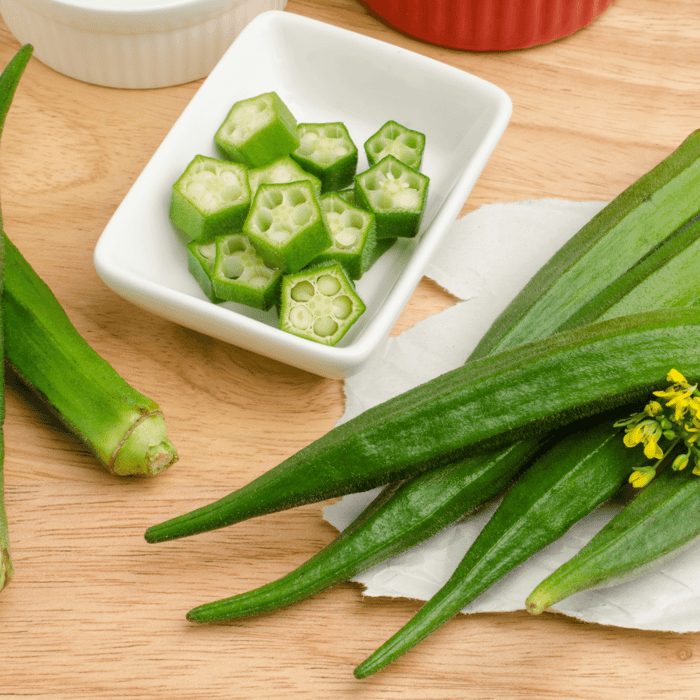
Clemson Spineless okra has been a garden favorite for generations. It was developed for uniform pod shape, reduced spines, and excellent flavor. The pods are tender when harvested young and are ideal for frying, stews, soups, gumbo, grilling, and pickling.
Key benefits of Clemson Spineless okra include:
Heirloom, open-pollinated variety
High heat and drought tolerance
Vigorous plants with consistent production
Nearly spineless pods that are easier to harvest
Well suited for home gardens and market growing
If you are new to growing okra from seed, Clemson Spineless is an excellent variety to start with.
Clemson Spineless Okra Seeds
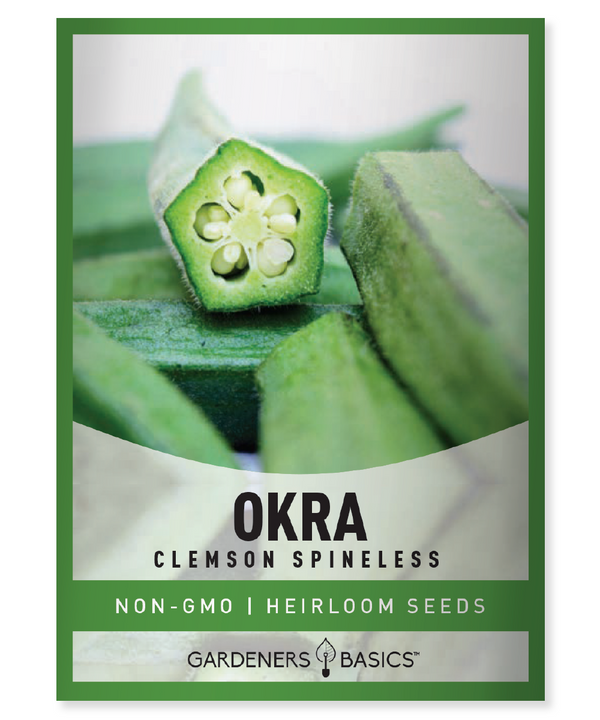
$2.49
Clemson Spineless Okra Seeds - Heirloom, Non-GMO, Non-Hybrid, Open-Pollinated for Your Garden Discover the timeless appeal of Clemson Spineless Okra seeds, a must-have addition for gardeners looking to grow a bountiful harvest of tender, flavorful okra pods. Our premium seeds… read more
Understanding Okra’s Growing Requirements
Okra is a true warm-season vegetable. It thrives in hot weather and struggles in cool soil or cold air. Understanding its basic needs before planting will help ensure strong germination and healthy growth.
Temperature Needs
Okra seeds germinate best when soil temperatures are at least 70°F, with ideal germination occurring between 75°F and 95°F. Plants grow fastest and produce the most pods when daytime temperatures stay above 80°F.
Avoid planting okra too early. Cold soil will slow germination and may cause seeds to rot.
Sunlight Requirements
Clemson Spineless okra requires full sun for best results. Aim for:
At least 6 to 8 hours of direct sunlight per day
More sun equals stronger plants and higher yields
Shaded okra plants tend to grow tall with fewer pods.
Preparing the Soil for Clemson Spineless Okra
Healthy soil is the foundation of a productive okra harvest. Okra is not overly picky, but it performs best in loose, fertile, well-draining soil.
Ideal Soil Conditions
Soil pH between 6.0 and 6.8
Rich in organic matter
Well drained to prevent root rot
Before planting, loosen the soil to a depth of at least 8 to 12 inches. Incorporate compost or well-aged manure to improve fertility and moisture retention.
If you are growing okra in containers, choose pots that are at least 5 gallons in size and use a high-quality potting mix with good drainage.
How to Plant Clemson Spineless Okra Seeds
When to Plant Okra Seeds
Plant Clemson Spineless okra seeds outdoors after all danger of frost has passed and soil temperatures have warmed. In most regions, this is late spring to early summer.
Gardeners in warmer climates can plant okra earlier and may even grow multiple successions.
Seed Preparation Tips
Okra seeds have a hard seed coat, which can slow germination. To improve sprouting:
Soak seeds in warm water for 8 to 12 hours before planting
Or lightly scarify the seed coat with sandpaper
These steps are optional but helpful, especially in cooler soils.
Planting Depth and Spacing
Plant okra seeds:
½ to 1 inch deep
12 to 18 inches apart within rows
Rows spaced 3 to 4 feet apart
After seedlings emerge, thin them to the strongest plants to avoid overcrowding.
Watering and Mulching Okra Plants
Okra is relatively drought tolerant once established, but consistent watering leads to better pod production and tender fruit.
Watering Guidelines
Water deeply once or twice per week
Aim for about 1 inch of water per week
Increase watering during extreme heat or dry periods
Avoid shallow, frequent watering, which encourages weak root systems.
Mulching Benefits
Applying mulch around okra plants helps:
Retain soil moisture
Suppress weeds
Regulate soil temperature
Organic mulches such as straw, shredded leaves, or grass clippings work well.
Fertilizing Clemson Spineless Okra
Okra benefits from balanced nutrition, especially in poor soils.
Fertilizer Recommendations
Before planting, work compost or a balanced organic fertilizer into the soil. During the growing season:
Apply a balanced fertilizer once plants are 6 to 8 inches tall
Side dress with compost or a low-nitrogen fertilizer midseason
Avoid excessive nitrogen, which causes lush foliage with fewer pods.
Managing Pests and Diseases
Clemson Spineless okra is relatively hardy, but it can still be affected by common garden pests and diseases.
Common Okra Pests
Aphids
Flea beetles
Stink bugs
Spider mites
Control pests by using neem oil, insecticidal soap, or encouraging beneficial insects like ladybugs.
Common Diseases
Powdery mildew
Fusarium wilt
Root rot in poorly drained soils
Prevent disease by spacing plants properly, watering at the base, and avoiding overhead watering.
Harvesting Clemson Spineless Okra
Harvesting at the right time is crucial for tender, flavorful okra.
When to Harvest
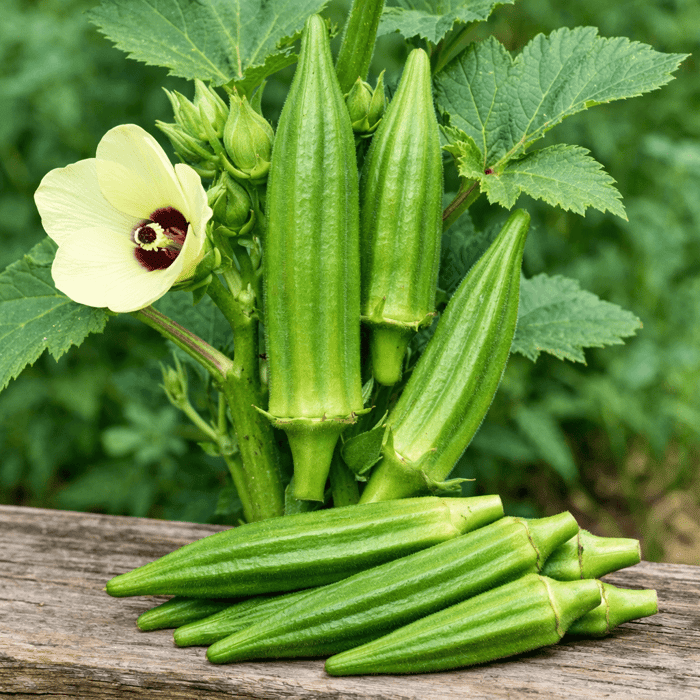
Pods are ready 3 to 5 days after flowering
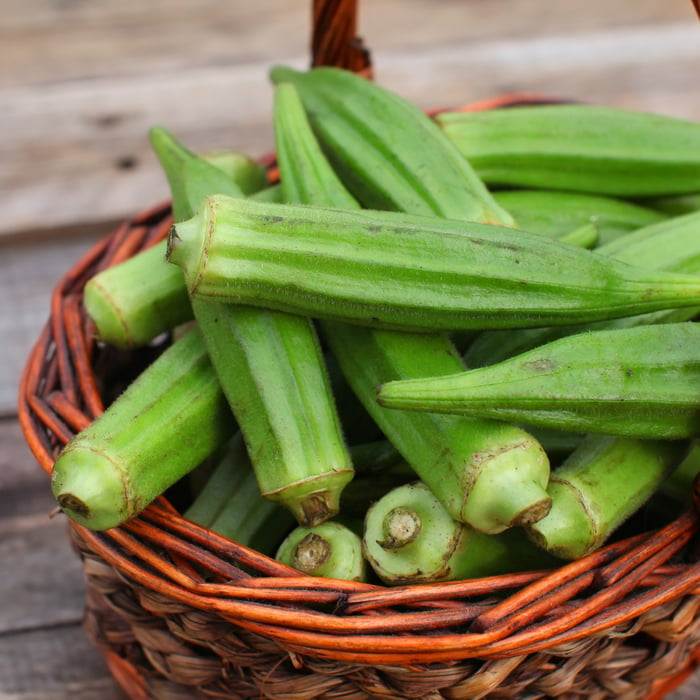
Harvest when pods are 2 to 4 inches long
Larger pods become tough and woody
Check plants daily during peak production. Okra grows quickly in hot weather.
How to Harvest
Use garden shears or a sharp knife
Cut pods cleanly at the stem
Wear gloves if your skin is sensitive
Frequent harvesting encourages the plant to produce more pods.
Storing and Using Fresh Okra
Fresh okra is best used soon after harvest, but short-term storage is possible.
Store unwashed pods in a breathable bag
Keep in the refrigerator for up to 3 days
Avoid moisture buildup, which causes slime
Okra can also be frozen, pickled, or dehydrated for long-term storage.
Saving Clemson Spineless Okra Seeds
Because Clemson Spineless is an open-pollinated heirloom variety, you can save seeds for future planting.
How to Save Okra Seeds
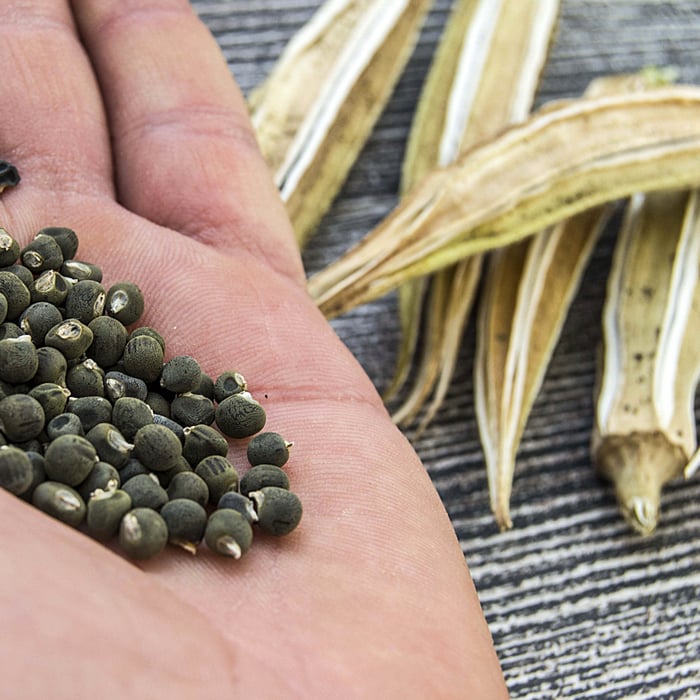
Allow pods to fully mature and dry on the plant
Pods will turn brown and hard
Harvest and split pods to remove seeds
Allow seeds to dry completely before storage
Store seeds in a cool, dry place. Properly stored okra seeds remain viable for several years.
Common Okra Growing Mistakes to Avoid
Even experienced gardeners can struggle with okra if conditions are not right.
Avoid these common mistakes:
Planting too early in cool soil
Overwatering or poor drainage
Harvesting pods too late
Overfertilizing with nitrogen
Crowding plants too closely
Correcting these issues can dramatically improve yield and pod quality.
Vegetable Seed Vault Kit | 35 Variety Pack
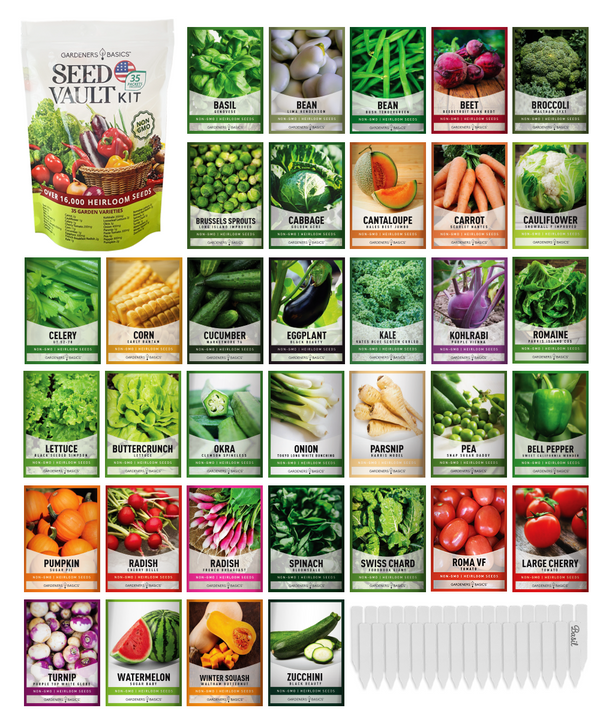
$29.95
$49.95
Ultimate Survival Seed Vault: 16,000+ Non-GMO Heirloom Vegetable Seeds for Emergency Preparedness Introducing the Seed Vault Kit, your all-in-one solution for emergency preparedness and sustainable gardening. This premium seed kit contains over 16,000 non-GMO, Heirloom, Non-Hybrid, and Open Pollinated seeds,… read more
Final Thoughts on Growing Clemson Spineless Okra From Seed
Clemson Spineless okra is a dependable, productive, and beginner-friendly vegetable that thrives in hot weather. With proper soil preparation, warm temperatures, full sun, and regular harvesting, you can enjoy a steady supply of tender okra pods throughout the growing season.
Whether you are growing okra in a backyard garden, raised bed, or large container, starting Clemson Spineless okra from seed is a simple and satisfying way to add a classic Southern vegetable to your garden. With a little patience and plenty of sunshine, this heirloom okra variety will reward you with abundant harvests and flavorful meals all summer long.