
Table of Contents
- Why Grow Vates Blue Scotch Curled Kale
- When to Plant Vates Blue Scotch Curled Kale Seeds
- How to Start Vates Blue Scotch Curled Kale From Seed
- Hardening Off and Transplanting Kale Seedlings
- Soil Preparation for Growing Kale
- Watering and Fertilizing Vates Blue Scotch Curled Kale
- Common Pests and Problems When Growing Kale
- Harvesting Vates Blue Scotch Curled Kale
- Growing Kale in Containers and Small Spaces
- Storing and Using Fresh Kale
- Final Thoughts on Growing Vates Blue Scotch Curled Kale From Seed
How to Grow Vates Blue Scotch Curled Kale From Seed
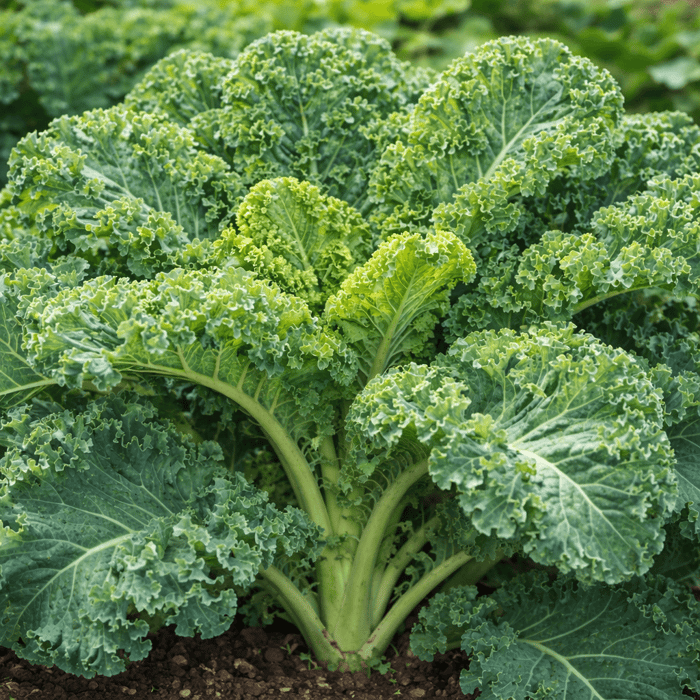
Vates Blue Scotch Curled kale is one of the most reliable and rewarding leafy greens you can grow from seed. Known for its compact growth habit, deeply curled blue green leaves, and excellent cold tolerance, this heirloom kale variety has been a favorite among home gardeners for decades. If you are looking to grow nutrient dense greens that thrive in a wide range of conditions, Vates Blue Scotch Curled kale is an excellent choice.
This complete growing guide will walk you through how to grow Vates Blue Scotch Curled kale from seed, covering seed starting, planting schedules, soil preparation, watering, pest control, and harvesting. Whether you are growing kale in raised beds, containers, or traditional garden rows, these tips will help you produce healthy plants and abundant harvests.
Vates Blue Curled Scotch Kale Seeds
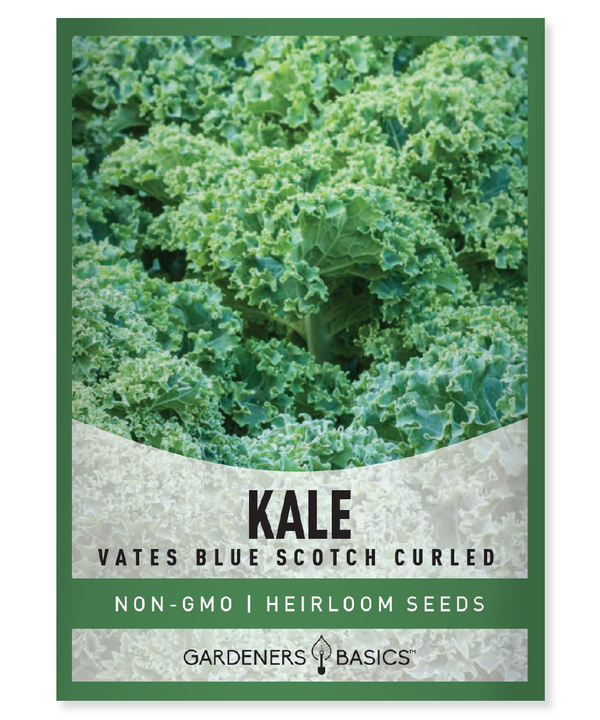
$2.49
Vates Blue Scotch Curled Kale Seeds - Heirloom, Non-GMO, Non-Hybrid, Open-Pollinated Grow a nutritious and vibrant garden with our Vates Blue Curled Scotch Kale seeds, a top choice for home gardeners and market growers alike. This hardy, cold-tolerant kale variety… read more
Why Grow Vates Blue Scotch Curled Kale
Vates Blue Scotch Curled kale is prized for its hardiness, flavor, and versatility in the kitchen. It performs especially well in cooler weather and can tolerate frost better than many other leafy greens.
Benefits of growing Vates Blue Scotch Curled kale include:
Cold hardy and frost tolerant
Compact plants that work well in small gardens
Tender leaves with a mildly sweet flavor
Continuous harvest over a long season
Heirloom and open pollinated variety
For gardeners learning how to grow kale from seed, this variety is forgiving and productive, making it ideal for beginners and experienced growers alike.
When to Plant Vates Blue Scotch Curled Kale Seeds
Kale is a cool season crop that grows best in spring and fall. Proper timing ensures strong growth and better tasting leaves.
Spring Planting
Start kale seeds indoors 4 to 6 weeks before your last expected frost date, or direct sow seeds outdoors as soon as the soil can be worked. Kale seeds germinate in cool soil and young plants can tolerate light frost.
Fall Planting
For a fall harvest, direct sow kale seeds 8 to 10 weeks before your first expected frost. Fall grown kale often develops sweeter leaves, especially after exposure to cold temperatures.
Ideal growing temperatures for kale range between 55 and 75 degrees Fahrenheit. Kale grown in hot weather may become bitter or tough.
How to Start Vates Blue Scotch Curled Kale From Seed
Starting kale from seed is simple and reliable, whether you choose indoor seed starting or direct sowing.
Starting Kale Seeds Indoors
To start seeds indoors:
Fill seed trays or small pots with a quality seed starting mix
Plant seeds about one quarter inch deep
Lightly cover with soil and water gently
Place trays in a bright location or under grow lights
Maintain temperatures between 60 and 70 degrees
Kale seeds typically germinate within 5 to 10 days.
Direct Sowing Kale Seeds Outdoors
Direct sow seeds one quarter inch deep and about 2 inches apart. Once seedlings emerge, thin them to proper spacing to encourage healthy growth.
Vegetable Seed Vault Kit – 35 Heirloom Non-GMO Vegetable Seeds for Gardening & Survival Food Storage
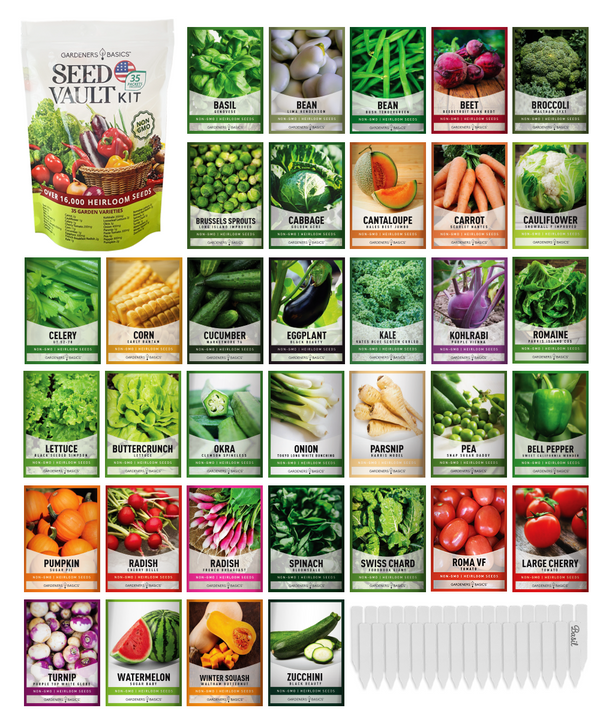
$29.95
$49.95
Vegetable Seed Vault Kit – 35 Heirloom Non-GMO Vegetable Seeds The Vegetable Seed Vault Kit includes 35 heirloom, non-GMO vegetable seed varieties with over 16,000 seeds, making it a complete survival seed vault for home gardening, food security, and long-term… read more
Hardening Off and Transplanting Kale Seedlings
Seedlings started indoors should be hardened off before transplanting outdoors. This process reduces transplant shock and helps plants adjust to outdoor conditions.
How to Harden Off Kale
About 7 days before transplanting:
Place seedlings outdoors for a few hours each day
Gradually increase sun and wind exposure
Protect from heavy rain or extreme cold
Once hardened off, seedlings should be stocky and dark green.
Transplant Spacing
Space Vates Blue Scotch Curled kale plants 12 to 18 inches apart in rows spaced about 18 to 24 inches apart. Adequate spacing improves airflow and reduces disease pressure.
Soil Preparation for Growing Kale
Healthy soil is the foundation of productive kale plants. Kale prefers fertile, well draining soil rich in organic matter.
Ideal Soil Conditions
Soil pH between 6.0 and 7.5
Loose, well draining soil
High organic matter content
Before planting, amend soil with compost or well aged manure. Kale benefits from nitrogen rich soil, especially during early growth stages.
Watering and Fertilizing Vates Blue Scotch Curled Kale
Consistent moisture and regular feeding help kale produce tender, flavorful leaves.
Watering Guidelines
Kale needs about 1 inch of water per week. Uneven watering can cause stress and reduce leaf quality.
Best watering practices include:
Water deeply at the base of the plant
Keep soil evenly moist but not waterlogged
Use mulch to retain moisture and suppress weeds
Fertilizing Kale Plants
Kale is a moderate feeder and benefits from regular fertilization.
A simple feeding schedule:
Apply balanced fertilizer or compost at planting time
Side dress with compost or nitrogen rich fertilizer every 3 to 4 weeks
Reduce feeding once plants reach full size
Over fertilizing can lead to excessive leaf growth with reduced flavor.
Common Pests and Problems When Growing Kale
Kale is generally hardy but can attract common garden pests, especially in warm weather.
Common Kale Pests
Cabbage worms
Aphids
Flea beetles
Slugs and snails
Row covers can help protect young plants. Regular inspection and hand removal of pests are effective for small gardens.
Common Growing Issues
Yellowing leaves from nitrogen deficiency
Tough leaves caused by heat stress
Slow growth due to compacted soil
Healthy soil and consistent care prevent most problems.
Harvesting Vates Blue Scotch Curled Kale
One of the biggest advantages of kale is its ability to produce continuously throughout the season.
When to Harvest Kale
You can begin harvesting once leaves reach 6 to 8 inches long. Harvesting regularly encourages new growth.
How to Harvest Kale
Harvest outer leaves first
Leave the central growing point intact
Use clean scissors or garden shears
Harvest frequently for tender leaves
Frost exposure improves flavor, making fall and winter kale especially sweet.
Lettuce Seed Assortment | 5 Variety Pack
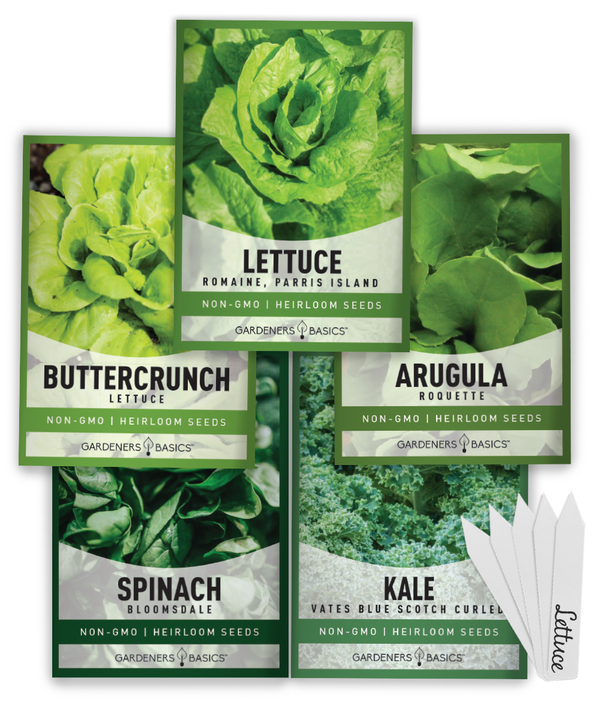
$9.95
Grow Fresh Greens Year-Round with Our 5 Lettuce Seeds Variety Pack - Heirloom, Non-GMO, Perfect for Outdoor & Indoor Gardening Introducing our 5 Lettuce Seeds Variety Pack – the perfect addition to your garden, whether you’re a seasoned grower or… read more
Growing Kale in Containers and Small Spaces
Vates Blue Scotch Curled kale is well suited for container gardening due to its compact size.
Tips for container grown kale:
Use containers at least 10 to 12 inches deep
Choose a high quality potting mix
Ensure good drainage
Water more frequently than in ground plantings
Container grown kale can thrive on patios, balconies, and small gardens.
Storing and Using Fresh Kale
Freshly harvested kale can be stored in the refrigerator for up to one week. For longer storage, kale can be blanched and frozen.
Vates Blue Scotch Curled kale is excellent for:
Fresh salads and slaws
Smoothies and juices
Soups and stews
Sauteed side dishes
Kale chips
Its curly leaves hold sauces well and maintain texture when cooked.
Final Thoughts on Growing Vates Blue Scotch Curled Kale From Seed
Growing Vates Blue Scotch Curled kale from seed is a simple and rewarding way to enjoy fresh, nutrient rich greens throughout the growing season. With proper timing, fertile soil, and consistent watering, this hardy kale variety produces reliable harvests even in challenging conditions.
Whether you are planting in early spring, fall, or overwintering in mild climates, Vates Blue Scotch Curled kale proves itself as a dependable garden staple. By following these growing tips, you can enjoy healthy plants and flavorful leaves from seed to harvest year after year.