
Few crops are as satisfying to grow as tomatoes. A healthy plant can provide weeks or months of fresh fruit, and the flavor of a tomato picked ripe from the vine is difficult to match. Tomatoes are also wonderfully versatile. You can grow sweet cherry tomatoes for snacking, large heirloom slicers for sandwiches, compact varieties for containers, or meaty paste tomatoes for sauce, salsa, canning, and long-term food storage. Learning how to grow tomatoes from seeds is not as daunting as you might think, and you'll get sun, and some dirt under your nails while you learn.
This guide walks you through the complete growing process, from choosing seeds and caring for seedlings to transplanting, watering, supporting, troubleshooting, harvesting, preserving, and saving seed. Use it as your starting point, then follow the links throughout the page whenever you need more detailed help with a particular variety or growing problem.
Key Takeaways
- Tomatoes need at least 6 hours of sun, but 8 or more is ideal.
- Start seeds indoors 6 to 8 weeks before your last frost.
- Plant deeply to encourage additional root growth.
- Water deeply and consistently rather than lightly every day.
- Support plants early with cages, stakes, or trellises.
- Harvest regularly to encourage continued production.
Tomato Growing at a Glance
| Growing factor | Recommendation |
|---|---|
| Difficulty | Beginner friendly with regular care |
| Sunlight | At least 6 hours; 8 or more is better |
| Seed depth | About 1/4 inch |
| Germination | Usually 5 to 10 days in warm soil |
| Start seeds indoors | 6 to 8 weeks before the average last spring frost |
| Transplant outdoors | After frost danger has passed and nights stay above 50°F |
| Plant spacing | About 24 to 36 inches, depending on variety and support method |
| Soil | Fertile, well drained soil rich in organic matter |
| Soil pH | Approximately 6.2 to 6.8 |
| Harvest | Commonly 60 to 90 days after transplanting |
Before You Grow Tomatoes
Tomatoes are a good choice for beginning gardeners, but they are not entirely hands-off plants. They need full sun, dependable watering, fertile soil, and support as they grow. They also benefit from regular observation. Catching a hornworm, watering problem, or early sign of disease before it becomes severe can make the difference between a small harvest and baskets of ripe fruit.
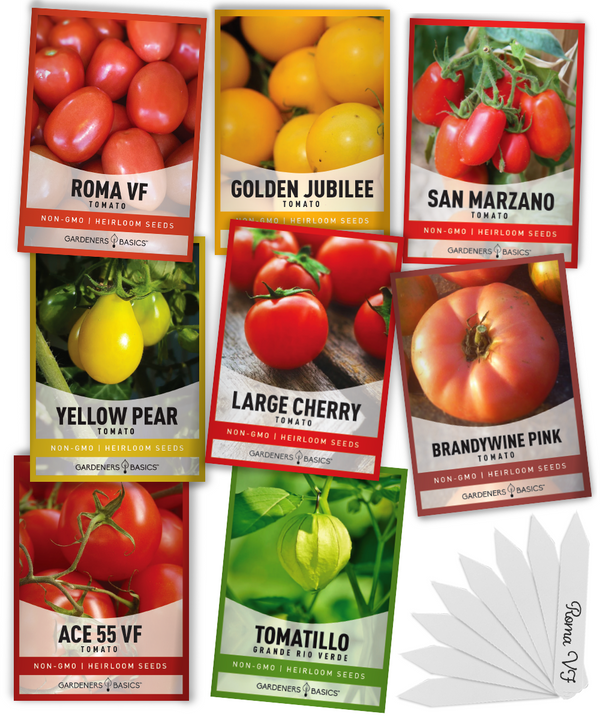
Tomato Seed Assortment | 8 Variety Pack
$15.95
8 Tomato Seeds Variety Pack – Heirloom, Non-Hybrid, Open-Pollinated, Non-GMO – Perfect for Home Gardens! Unlock the secrets to a thriving tomato garden with our premium 8 Tomato Seeds Variety Pack! Carefully curated for tomato lovers and gardening enthusiasts alike, this… read more
How much room do tomatoes need?
Many full-size tomato plants need about 24 to 36 inches of space between plants. Large indeterminate varieties may grow six feet tall or more and often spread well beyond a small cage. Compact determinate varieties take up less room and are usually easier to manage in raised beds, grow bags, and containers.
Limited space does not mean you have to skip tomatoes. You can learn how to grow tomatoes in a 5-gallon bucket, use a larger fabric container with our guide to planting tomatoes in grow bags, or choose a compact variety specifically suited to patios and small gardens.
How many tomato plants should you grow?
For fresh eating, two or three productive plants per person may be enough. Gardeners who want tomatoes for sauce, salsa, freezing, dehydrating, or canning usually need more. Yield varies greatly by variety, weather, soil, and plant health, so it is better to grow a mix than to rely on one plant or one tomato type.
| Garden goal | Starting point |
|---|---|
| Occasional fresh tomatoes | 1 to 2 plants per person |
| Regular fresh eating | 2 to 4 plants per person |
| Fresh eating plus preserving | 5 or more plants per person, including paste varieties |
Choosing the Right Tomato Varieties
There is no single best tomato for every gardener. The right choice depends on your space, climate, harvest goals, and the way you like to eat tomatoes. Before ordering seed, decide whether you want tomatoes mainly for fresh eating, containers, sauce, canning, seed saving, or a long summer harvest.
Determinate and indeterminate tomatoes
One of the first choices is whether to grow determinate tomatoes or indeterminate tomatoes.
| Determinate tomatoes | Indeterminate tomatoes |
|---|---|
| Reach a more limited mature size | Continue growing until frost or severe weather ends the season |
| Produce much of the crop within a shorter period | Produce over a longer season |
| Often easier to manage in smaller spaces | Usually need tall, strong supports |
| Useful when you want a concentrated harvest for preserving | Useful when you want a steady supply for fresh eating |
| Usually need little pruning | May benefit from selective pruning |
Many gardeners grow both. Determinate plants can provide a concentrated harvest for canning, while indeterminate plants continue producing for salads and sandwiches. Gardeners interested in compact plants can also compare the best determinate tomatoes for containers.
Choose tomatoes by how you will use them
| Your goal | Good choices |
|---|---|
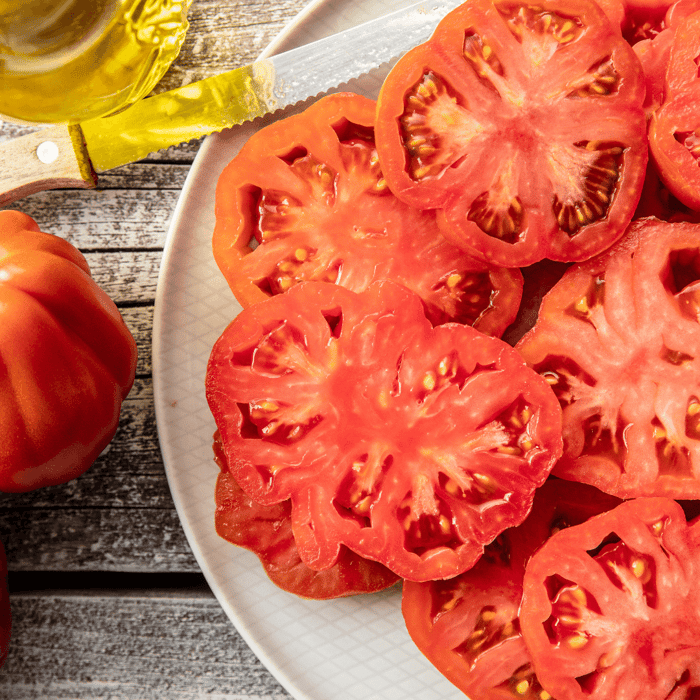
| Large slicing tomatoes | Brandywine Pink, Beefsteak, and Cherokee Purple |
| Sauce, paste, and canning | San Marzano, Roma VF, and Rio Grande |
| Containers and small spaces | Tiny Tim and other compact determinate varieties |
| Sweet snack tomatoes | Large Cherry, Black Cherry, and Yellow Pear |
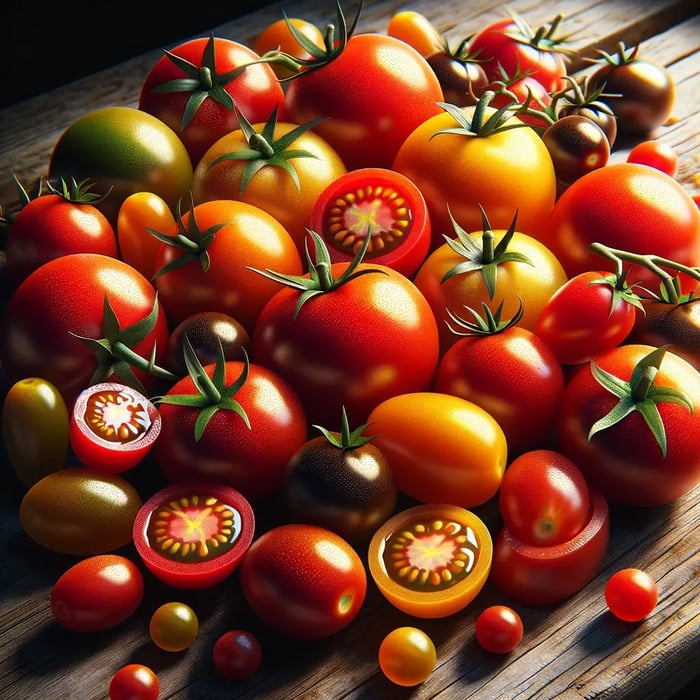
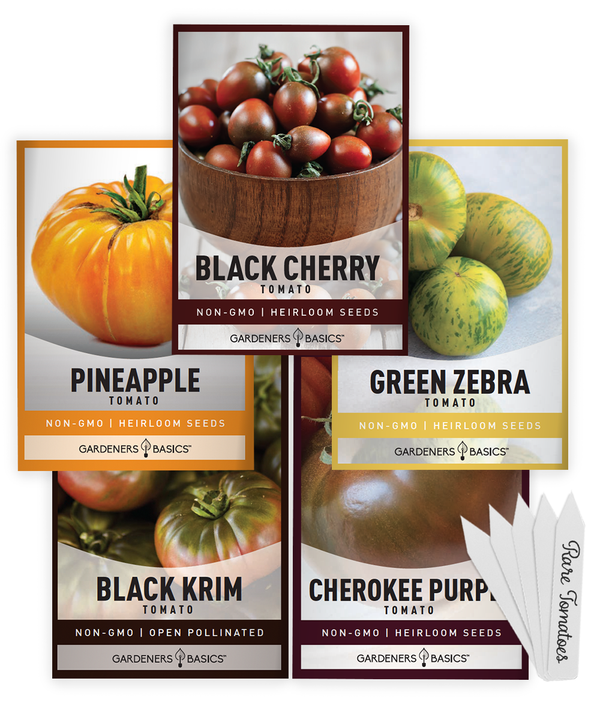
| Colorful or unusual heirlooms | Black Krim, Green Zebra, Pineapple, and Golden Jubilee |
Large slicers are rewarding, but they usually take longer to mature and may be more sensitive to heat, cracking, and inconsistent watering. Cherry tomatoes often produce earlier and more reliably, making them especially helpful for beginners. Our guide comparing cherry and grape tomatoes can help you choose between the two.
For a larger range of types and colors, browse the complete tomato seed collection. Gardeners who want to compare many heirlooms in one season may prefer the 16-variety heirloom tomato seed pack, while the rare tomato seed collection is a good choice for unusual colors and flavors.
Starting Tomato Seeds Indoors
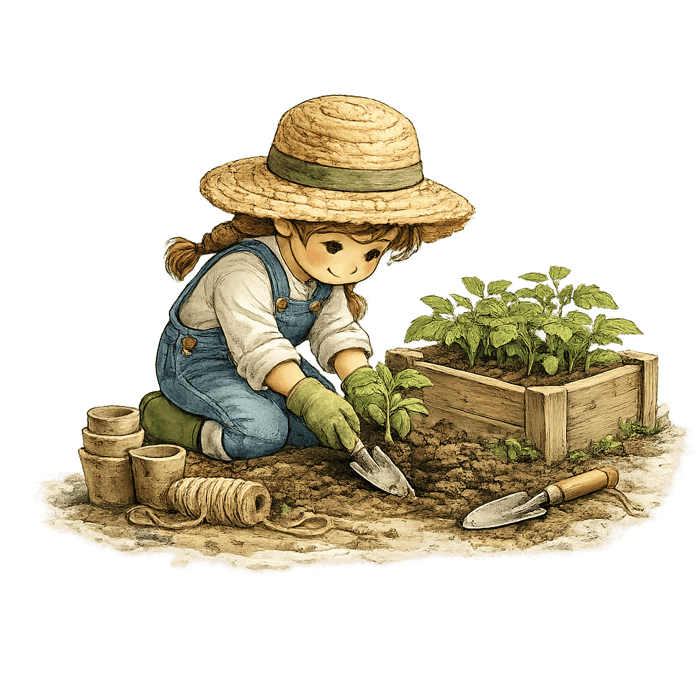
Start tomato seeds indoors about six to eight weeks before your average last spring frost. Starting much earlier is not always better. Seedlings kept indoors too long may become root-bound, stretched, or difficult to manage before outdoor conditions are safe.
What you need
- Tomato seeds
- Clean seed-starting trays or small containers with drainage holes
- Sterile seed-starting mix
- Plant labels
- A gentle watering bottle or watering can
- Grow lights
- A seedling heat mat, if your growing area is cool
- A small fan for air circulation
Garden soil is not a good seed-starting medium. It is often too dense for tiny roots and may contain insects, weed seeds, or disease organisms. Use a fine-textured seed-starting mix that holds moisture while still allowing air to reach developing roots.
How to sow tomato seeds
- Moisten the seed-starting mix before filling your trays.
- Fill each cell or container without packing the mix tightly.
- Plant seeds about 1/4 inch deep.
- Cover lightly and gently water.
- Label each variety immediately.
- Keep the mix warm and evenly moist until seedlings emerge.
Tomato seeds commonly germinate within five to ten days when the growing medium stays near 70°F to 80°F. Cooler conditions slow germination. A humidity cover may help retain moisture, but remove it as soon as seedlings begin emerging.
A ready-to-use tomato seed starter kit can simplify the process for first-time growers, but the most important factors are healthy seed, clean containers, warm soil, and strong light after germination.
Caring for Tomato Seedlings
Give seedlings strong light
Weak light is the most common cause of tall, thin tomato seedlings. A bright window may not provide enough light during late winter. Position grow lights a few inches above the seedlings and adjust them upward as the plants grow. Most seedlings benefit from about 14 to 16 hours of light each day and a dark period at night.
Water without keeping the soil soggy
Keep the mix evenly moist, but do not leave the roots sitting in water. Seedlings growing in constantly saturated soil are more vulnerable to damping off and weak root growth. Bottom watering can help keep stems and leaves dry: allow the tray to absorb water from below, then remove it once the soil surface becomes moist.
Use gentle air movement
A small fan improves air circulation and encourages sturdier stems. The goal is a light breeze, not constant strong wind. Air movement also helps the surface of the mix dry slightly between waterings.
Pot seedlings up when they outgrow their cells
Move seedlings into larger containers when roots begin filling the starter cells or plants develop several true leaves. Tomatoes can form roots along buried stems, so place them deeper in the new container than they were growing before. This helps produce a stronger root system.
Transplanting Tomatoes Outdoors
Harden seedlings off first
Indoor-grown seedlings are not ready for a full day of direct sun and wind. Harden them off gradually over seven to ten days. Begin with a short period in bright shade, then increase outdoor time and sunlight each day. Bring plants inside during cold nights, storms, or unusually strong wind.
| Hardening-off stage | What to do |
|---|---|
| Days 1 to 2 | Place seedlings outdoors for 1 to 2 hours in bright shade |
| Days 3 to 4 | Add gentle morning sun and slightly more outdoor time |
| Days 5 to 7 | Increase direct sun and exposure to light wind |
| Final days | Leave outside most of the day when temperatures are suitable |
Wait for warm conditions
Transplant after frost danger has passed, nighttime temperatures remain consistently above about 50°F, and the soil has warmed. Tomatoes placed in cold soil often stop growing and may take longer to recover than plants set out a week later.
Planting dates vary by region. Gardeners in hot climates face different timing and heat challenges than northern gardeners. Use the regional guides for growing tomatoes in Texas, growing tomatoes in Florida, and growing tomatoes in Georgia for more specific advice.
Plant tomatoes deeply
- Water the seedlings before transplanting.
- Dig a hole deeper than the root ball.
- Remove the lowest leaves.
- Place the seedling so part of the stem will be below the soil line.
- Backfill gently and water thoroughly.
- Install the support system while the plant is still small.
Deep planting gives the buried stem an opportunity to form additional roots. If a seedling is very tall, it can also be planted at an angle in a shallow trench, with the upper portion of the stem gently curved above the soil.
Caring for Tomato Plants
Sunlight
Tomatoes need at least six hours of direct sun, and most produce better with eight or more. Plants grown in too much shade often become tall and leafy while flowering and fruiting poorly. Morning sun is particularly helpful because it dries dew from foliage.
Watering
Consistent moisture matters more than watering on a rigid schedule. Newly transplanted tomatoes need closer monitoring while roots become established. Mature garden plants often prefer deep watering one or two times per week, depending on rainfall, soil, temperature, and mulch. Container tomatoes may need water every day during hot weather.
| Plant stage | Watering approach |
|---|---|
| New transplants | Keep the root zone evenly moist while plants establish |
| Established garden plants | Water deeply when the upper soil begins to dry |
| Flowering and fruiting | Avoid large swings between dry and saturated soil |
| Containers | Check daily during warm or windy weather |
Water at the base of the plant whenever possible. Drip irrigation and soaker hoses keep leaves dry and reduce soil splash. Mulching with clean straw, shredded leaves, compost, or another organic material helps retain moisture and reduces weeds.
Fertilizing
Tomatoes need fertile soil, but excess nitrogen can produce large plants with few flowers. Begin with compost and a soil test when possible. If fertilizer is needed, follow the product directions and avoid repeated heavy feeding. Once flowering begins, the plant needs balanced nutrition rather than an endless push for leafy growth.
Supporting plants
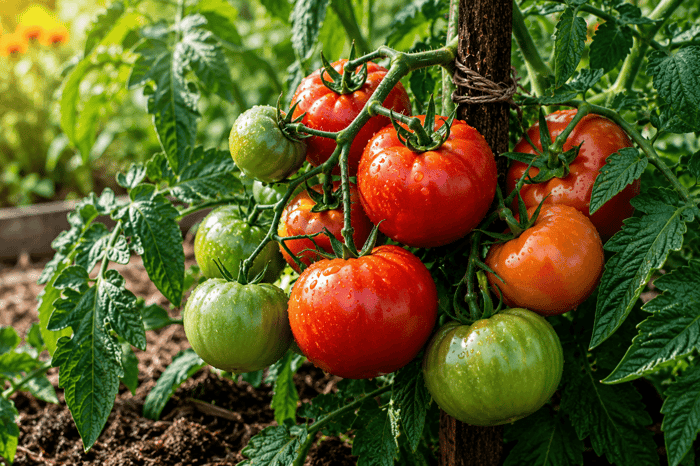
Install cages, stakes, trellises, or posts at transplanting time. Support keeps fruit off the soil, improves airflow, and makes harvesting easier. Determinate plants may do well in sturdy cages, while large indeterminate plants usually need taller and stronger systems.
Paste varieties can carry heavy clusters. Gardeners growing San Marzano can use the detailed guide on staking San Marzano tomatoes and the complete instructions for growing San Marzano tomatoes from seed.
Pruning
Remove damaged, diseased, or soil-touching leaves first. Determinate varieties usually need little pruning because removing healthy stems can reduce their crop. Indeterminate plants may benefit from selective sucker removal, especially when grown on a single stake or narrow trellis. Avoid removing so much foliage that developing fruit loses protection from intense sun.
Pollination and fruit set
Tomato flowers are self-fertile, but the pollen still needs movement within the flower. Wind and visiting insects usually handle this outdoors. Indoors or in very still conditions, gently tapping flower clusters can help. Temperature extremes, drought stress, excess nitrogen, and poor pollination can cause blossoms or small fruit to fall. Our troubleshooting guide explains why tomatoes drop flowers or young fruit.
Growing Tomatoes in Containers
Container-grown tomatoes need the same basic conditions as garden plants, but water, nutrients, and root space become more critical. Use a container with drainage holes and enough volume for the mature variety. Five gallons is a practical minimum for many compact tomatoes, while larger indeterminate plants perform better in substantially larger containers.
- Use fresh potting mix rather than garden soil.
- Choose a container that will not dry out too quickly.
- Support the plant from the beginning.
- Check moisture daily during summer.
- Feed lightly and consistently because nutrients wash out of containers.
- Choose compact varieties when space is limited.
Tiny Tim tomato seeds are a practical choice for small containers. The detailed guide to growing Tiny Tim tomatoes from seed covers their compact growth in greater depth.
Tomatoes can also be grown indoors under strong lights or without soil. See how to grow tomatoes indoors with lights, how to grow hydroponic tomatoes at home, or explore the tomato hydroponic grow kit.
Rare Tomato Seeds | 5 Variety Pack
$9.95
Grow Unique Tomatoes: 5 Rare Tomato Seeds Collection for Your Garden Introducing our 5 Rare Tomato Seeds Variety Pack, a must-have for every tomato lover and avid gardener! This premium collection features a curated selection of rare heirloom tomato seeds to… read more
Common Tomato Problems
Blossom end rot
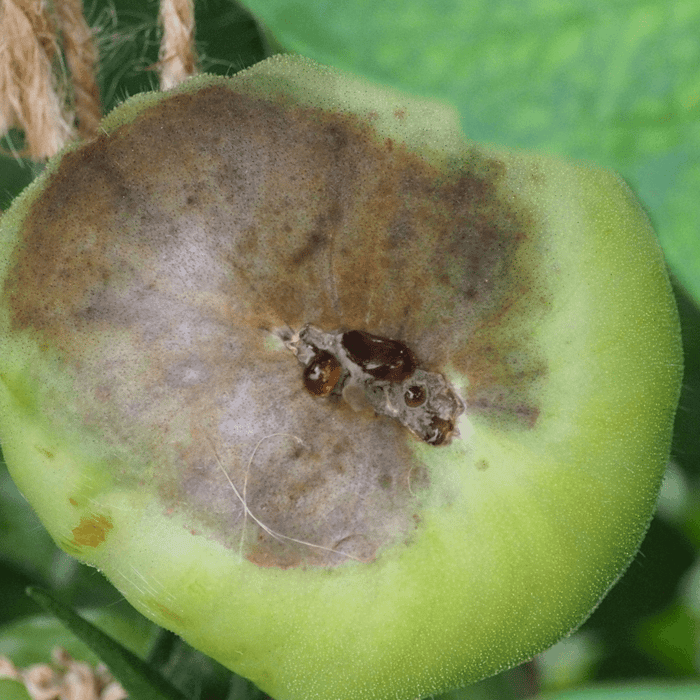
Blossom end rot appears as a dark, sunken, leathery area on the blossom end of the fruit. The plant is unable to move enough calcium into developing tomatoes, commonly because soil moisture has been inconsistent. Mulch, deep watering, and avoiding severe dry periods are often more useful than adding unneeded calcium.
Read what causes tomato blossom end rot for prevention details. Fruit with a small affected area may still be usable after trimming; the guide to eating tomatoes with blossom end rot explains when to discard damaged fruit.
Leaf curl
Leaves may curl because of heat, wind, transplant stress, inconsistent watering, root damage, herbicide exposure, pests, or disease. Mild upward curling on an otherwise healthy plant is often a temporary physiological response. Distorted new growth, severe yellowing, or spreading symptoms require closer investigation. Use the full guide to tomato leaf curl causes and solutions.
Cracked fruit
Cracking frequently follows a dry period and then heavy rain or overwatering. The fruit expands faster than the skin can stretch. Maintain even moisture and harvest ripe or nearly ripe fruit before major storms when possible.
Small tomatoes
Small fruit may be normal for the variety, but it can also result from heat, poor pollination, root stress, inadequate sunlight, overloading, or inconsistent moisture. Gardeners growing paste tomatoes can review why San Marzano tomatoes may stay small.
Yellow leaves
The oldest leaves at the bottom of a mature plant naturally decline. Widespread or rapidly progressing yellowing may point to watering problems, poor drainage, nutrient stress, root damage, or disease. Remove badly affected foliage, inspect the entire plant, and correct the underlying cause rather than immediately adding fertilizer.
Tomato Diseases and Pests
Reducing disease pressure
- Rotate tomatoes and related crops when garden space allows.
- Keep foliage off the soil.
- Water at the base of plants.
- Provide enough spacing for airflow.
- Remove infected leaves promptly.
- Clean up plant debris at the end of the season.
- Choose resistant varieties when a disease is common in your area.
Early blight, Septoria leaf spot, bacterial diseases, and soil-borne wilts are among the problems tomato gardeners may encounter. No tomato is resistant to everything, but choosing varieties suited to local disease pressure can help. Start with the guide to disease-resistant tomatoes.
Common pests
Inspect both sides of leaves and look beneath the plant canopy. Tomato hornworms can remove large amounts of foliage but are usually easy to handpick. Aphids cluster on tender growth, while spider mites create fine stippling and webbing during hot, dry weather. Whiteflies often fly up when a plant is disturbed.
Do not assume every insect is harmful. Lady beetles, lacewings, parasitic wasps, and many other beneficial insects help control pests naturally.
Harvesting Tomatoes
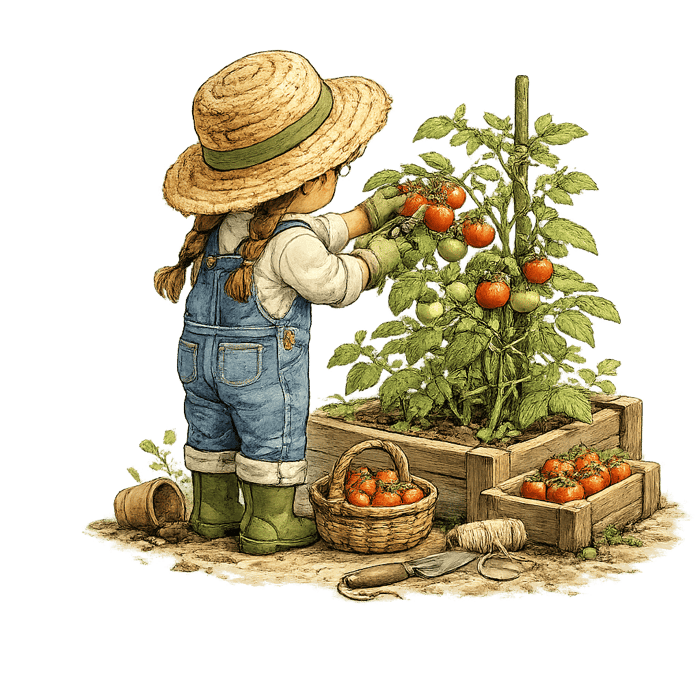
Tomatoes can be harvested when they begin showing their mature color and have reached the breaker stage. They will continue ripening indoors because the ripening process has already begun. Picking before a major storm, extreme heat, animal damage, or cracking can protect the crop without sacrificing much quality.
| Ripening stage | What it looks like | Harvest guidance |
|---|---|---|
| Mature green | Full size but no color change | Leave on the plant unless frost or damage is expected |
| Breaker | First visible change from green | Can be picked and ripened indoors |
| Turning | Increasing mature color | Good stage for harvesting before storms or pests |
| Fully ripe | Full mature color with slight softness | Best for immediate fresh eating |
Color varies by variety, so a ripe Green Zebra will not look like a ripe Brandywine or Black Krim. Check the expected mature color and gently feel the fruit rather than waiting for every tomato to turn bright red. The complete article on when to pick tomatoes explains ripening stages in more detail.
Preserving Tomatoes and Saving Seed
Preserving the harvest
Grow paste tomatoes when preserving is a major goal. Their dense flesh and lower moisture reduce cooking time for sauce and salsa. San Marzano tomato seeds, Roma VF tomato seeds, and the salsa garden seed assortment are useful starting points for a preservation garden.
- Freeze whole or chopped tomatoes for cooked dishes.
- Cook tomatoes into sauce and freeze or can using a tested recipe.
- Prepare salsa with a tested canning recipe when storing at room temperature.
- Dehydrate slices or halved cherry tomatoes.
- Turn thoroughly dried tomatoes into powder for soups and sauces.
For shelf-stable canning, use current, tested instructions from a reliable food-preservation authority. Tomato acidity varies, so safe processing and added acid may be required even when using an old family recipe.
Saving tomato seed
Open-pollinated and heirloom tomatoes are the best choices when you want seed that is likely to resemble the parent plant. Select fully ripe fruit from healthy, productive plants. Keep different tomato varieties separated as much as practical if maintaining purity is important.
- Scoop the seeds and surrounding gel into a small labeled container.
- Add a little water and allow the mixture to ferment for a few days.
- Rinse away the gel and floating debris.
- Spread the clean seeds in a single layer to dry completely.
- Store dry seeds in a labeled envelope or container in a cool, dark, dry location.
Tomato Growing FAQs
Is it hard to learn how to grow tomatoes from seeds?
Tomatoes are manageable for beginners, but they need more attention than many herbs or leafy greens. Sunlight, consistent watering, adequate support, and early problem detection are the most important habits.
How long do tomatoes take to grow from seed?
Seedlings usually grow indoors for six to eight weeks, followed by roughly 60 to 90 days from transplanting to harvest for many varieties. Large or late-season tomatoes may take longer.
What month should tomato seeds be started?
The month depends on your average last spring frost. Count backward six to eight weeks from that date rather than following a universal calendar month.
Can tomato seeds be planted directly outdoors?
Yes, in warm climates with a long growing season. In cooler regions, starting indoors gives plants enough time to mature before fall frost.
How deep should tomato seeds be planted?
Plant tomato seeds about 1/4 inch deep in a fine, moist seed-starting mix.
How much sun do tomatoes need?
Provide at least six hours of direct sun. Eight or more hours generally supports stronger growth and better fruit production.
Can tomatoes grow in partial shade?
They may survive, but yields often decrease and ripening may be slower. Choose the sunniest available location.
How often should tomatoes be watered?
Water according to soil moisture, weather, and growing method. Garden plants may need deep watering once or twice weekly, while containers may need daily watering during hot weather.
Should tomato plants be pruned?
Remove damaged and diseased foliage from all tomato plants. Determinate varieties usually need little additional pruning. Indeterminate plants may benefit from selective sucker removal.
Do tomatoes need cages or stakes?
Most varieties benefit from support. Even determinate plants can collapse under a heavy crop, and indeterminate tomatoes usually need tall, sturdy support.
Can tomatoes grow in 5-gallon buckets?
Yes, especially compact varieties. Use a bucket with drainage holes, quality potting mix, regular feeding, and consistent watering.
What is the easiest tomato for a beginner?
Cherry tomatoes are often forgiving and productive. Tiny Tim is a practical compact option, while Large Cherry and Yellow Pear provide longer vines and abundant small fruit.
Why are tomato flowers falling off?
Common causes include extreme heat, cool nights, poor pollination, drought stress, excess nitrogen, and transplant shock.
Why are tomato leaves curling?
Heat, wind, watering stress, root injury, pests, disease, and herbicide exposure can all cause curling. Consider the entire plant and recent conditions before choosing a treatment.
Can tomatoes with blossom end rot be eaten?
Fruit with a small affected area may be usable after the damaged portion is removed, provided the rest of the tomato is sound and has not begun rotting.
When should tomatoes be picked?
Pick fully ripe fruit for immediate eating or harvest at the breaker stage when weather, cracking, pests, or animals threaten the crop.
Can tomatoes be grown indoors?
Yes, but they need strong grow lights, sufficient space, warmth, pollination assistance, and a variety suited to indoor conditions.
Can tomato seeds be saved for next year?
Yes. Save seed from healthy, ripe open-pollinated or heirloom tomatoes, clean and dry it thoroughly, and store it in cool, dry conditions.
How many tomato plants are needed for canning?
The answer depends on yield and how much you plan to preserve. A preservation garden should include several productive paste tomato plants rather than relying entirely on slicing varieties.
What are the best tomatoes for sauce?
Roma, San Marzano, and Rio Grande are strong choices because their dense flesh and lower moisture help sauce cook down efficiently.
Start Your Tomato Garden
The best tomato garden is one matched to your space and the way you use the harvest. A small patio may only need one compact plant, while a family preservation garden may include cherry tomatoes, heirloom slicers, and several rows of paste tomatoes.
Explore the full Gardeners Basics tomato seed collection to compare individual varieties and assortments. Begin with good seed, give the plants warm soil and strong light, and keep moisture as consistent as possible. Each season will teach you something new, and the reward is a harvest you can enjoy fresh, preserve for later, and use to save seed for future gardens.
How Often Should You Water Tomato Plants?
Proper watering is one of the biggest factors in growing healthy, productive tomato plants. Tomatoes don't like constantly wet soil, but they also struggle when the soil repeatedly dries out completely. Consistent moisture encourages deep roots, steady growth, and better fruit production.
Rather than watering on a fixed schedule, check the soil several inches below the surface. If it feels dry, water deeply. If it is still moist, wait another day and check again.
| Growing Situation | Typical Watering Needs |
|---|---|
| Newly transplanted tomatoes | Check daily until established. |
| Garden beds | Usually one or two deep waterings each week. |
| Raised beds | Often need water more frequently than in-ground gardens. |
| Containers | May require daily watering during hot summer weather. |
Keeping soil moisture consistent also helps prevent problems like blossom end rot, cracked fruit, and flower drop.
How Often Should You Water Tomato Plants?
Watering is one of the most important parts of growing healthy tomatoes, and it's also where many gardeners unknowingly create problems. Tomatoes prefer soil that stays consistently moist but never soggy. Long periods of dry soil followed by heavy watering can lead to blossom end rot, cracked fruit, poor flavor, and reduced production.
Rather than watering on a fixed schedule, learn to water based on your soil. Stick your finger two inches into the ground. If the soil feels dry at that depth, it's time to water. If it's still damp, wait another day and check again.
The goal is deep watering that encourages roots to grow downward instead of remaining near the surface.
| Growing Situation | Typical Watering Needs |
|---|---|
| Newly transplanted tomatoes | Check daily and keep the soil evenly moist while roots establish. |
| Established garden plants | Usually one or two deep waterings each week, depending on rainfall and temperature. |
| Raised beds | Often require watering more frequently because they drain faster. |
| Containers and grow bags | May need daily watering during hot summer weather. |
Water early in the morning whenever possible. Morning watering allows foliage to dry quickly, reducing the risk of fungal diseases while ensuring plants have plenty of moisture before the hottest part of the day.
If you're struggling with black spots on the bottoms of your tomatoes, read our guide explaining what causes blossom end rot. Inconsistent watering is one of the most common contributing factors.
🌱 Little Gardener Tip
It's better to give tomatoes one long, deep watering than several quick splashes throughout the week. Deep watering encourages stronger roots that can better handle summer heat.
Should You Mulch Tomato Plants?
Absolutely. Mulch is one of the easiest ways to improve the health of your tomato plants while reducing the amount of maintenance your garden requires.
A layer of mulch helps conserve soil moisture, keeps weeds under control, reduces soil splashing onto leaves during rainstorms, and keeps developing tomatoes cleaner throughout the season.
Wait until the soil has warmed in late spring before applying mulch around your plants.
Best Mulches for Tomatoes
- Clean straw
- Shredded leaves
- Finished compost
- Untreated grass clippings
- Pine straw
- Natural hardwood mulch
Apply approximately two to four inches of mulch around each plant while leaving a small gap around the main stem to improve airflow.
🌱 Little Gardener Tip
Mulch does more than save water. It also helps reduce many common tomato diseases by preventing rain from splashing soil and disease spores onto lower leaves.
Do Tomato Plants Need Fertilizer?
Healthy tomatoes are heavy feeders, but more fertilizer doesn't automatically mean more tomatoes. In fact, too much nitrogen often produces huge leafy plants with surprisingly little fruit.
The best approach is to start with fertile soil rich in compost and then supplement nutrients only when needed. A soil test is the most accurate way to determine exactly what your garden requires.
| Plant Stage | Recommended Feeding |
|---|---|
| Before planting | Mix compost into the soil and add fertilizer if recommended by a soil test. |
| At transplanting | Use a balanced fertilizer according to label directions. |
| Flowering begins | Apply a light feeding to support fruit production. |
| Mid-season | Feed only if plants show signs of nutrient deficiency. |
Signs Your Tomatoes May Need Nutrients
- Pale green leaves
- Slow growth
- Poor flowering
- Small fruit
- Weak stems
⚠️ Common Mistake
If your tomato plants are six feet tall with beautiful leaves but very few tomatoes, you've probably supplied too much nitrogen. Healthy fruit production requires balanced nutrition, not excessive leafy growth.
Should You Prune Tomato Plants?
Pruning is one of the most debated topics in tomato gardening, largely because the correct answer depends on the type of tomato you're growing.
Determinate tomatoes naturally stop growing after reaching a certain size. Heavy pruning often reduces production because you're removing stems that would have produced fruit.
Indeterminate tomatoes continue growing until frost and usually benefit from selective pruning to improve airflow, simplify support, and make harvesting easier.
| Tomato Type | Pruning Recommendation |
|---|---|
| Determinate | Remove damaged and diseased leaves only. |
| Indeterminate | Remove lower leaves and selectively prune suckers as needed. |
Regardless of variety, always remove leaves touching the soil. This simple practice improves airflow and helps reduce disease pressure throughout the growing season.
🌱 Little Gardener Tip
Healthy leaves feed your tomatoes. Never remove large amounts of foliage simply because you've heard tomatoes should be pruned. Every leaf contributes energy to growing healthy fruit.
How Do Tomato Flowers Turn Into Tomatoes?
Every tomato begins as a flower. Once a flower is successfully pollinated, the petals wither and a tiny green tomato begins developing behind the blossom.
Tomatoes are considered self pollinating because each flower contains both male and female parts. Outdoors, wind and visiting insects usually provide all the movement needed for pollination.
Indoor gardens and greenhouses may require a little help. Gently tapping flower clusters every few days can improve pollination when there isn't enough natural air movement.
If flowers are falling off before tomatoes develop, your plants may be experiencing environmental stress. High temperatures, cool nights, inconsistent watering, poor pollination, or excessive fertilizer can all contribute.
For a complete explanation, read What Causes Tomatoes to Drop Fruit?.
🌱 Little Gardener Tip
Don't worry if the very first blossoms fall. Young tomato plants often shed a few early flowers while they focus on developing stronger roots and stems.
What Are the Most Common Tomato Diseases?
Tomatoes are among the most productive vegetables you can grow, but they are also susceptible to several diseases that can reduce yields if left unchecked. The good news is that most tomato diseases are preventable. Healthy soil, proper spacing, good air circulation, and consistent watering will prevent many problems before they ever begin.
Don't assume every yellow leaf or brown spot means disaster. Older leaves naturally age, weather can temporarily stress plants, and many issues can be corrected with simple changes in care.
Common Tomato Diseases at a Glance
| Disease | Common Symptoms | Best Prevention |
|---|---|---|
| Early Blight | Brown spots with target-like rings on older leaves | Good airflow, mulch, remove infected foliage |
| Septoria Leaf Spot | Many small brown spots beginning on lower leaves | Avoid overhead watering and improve spacing |
| Late Blight | Rapid dark lesions on leaves, stems, and fruit | Remove infected plants quickly and avoid wet foliage |
| Fusarium Wilt | Yellowing and wilting that starts on one side of the plant | Crop rotation and resistant varieties |
| Verticillium Wilt | Gradual yellowing and plant decline | Healthy soil and crop rotation |
If fungal diseases are common in your area, consider growing some of the most disease resistant tomato varieties available.
🌱 Little Gardener Tip
Never compost severely diseased tomato plants unless you're confident your compost pile reaches temperatures high enough to destroy plant pathogens. It's safer to remove infected material from the garden.
What Insects Attack Tomato Plants?
Tomatoes attract a wide variety of beneficial insects, but a few common pests can quickly damage otherwise healthy plants. Regular inspections are one of the easiest ways to prevent serious infestations.
Tomato Hornworms
Tomato hornworms are large green caterpillars capable of stripping leaves surprisingly quickly. Because they blend in with tomato foliage, gardeners often notice missing leaves before spotting the caterpillar itself.
Hand picking remains one of the simplest and most effective control methods.
Aphids
Aphids gather on tender new growth where they feed by sucking plant sap. Small populations usually cause little damage and are often controlled naturally by lady beetles, lacewings, and other beneficial insects.
Whiteflies
Whiteflies are tiny insects that fly up in clouds when disturbed. They're especially common in warm climates and greenhouses. Sticky traps and beneficial insects often help keep populations under control.
Spider Mites
Spider mites become more common during hot, dry weather. Fine webbing and tiny yellow speckles on leaves are usually the first signs of infestation.
🌱 Little Gardener Tip
Spend five minutes each week looking underneath tomato leaves. Catching insects early is much easier than treating a large infestation later.
Why Are My Tomatoes Cracking?
Cracked tomatoes are usually caused by sudden changes in soil moisture. After a dry period, heavy rain or excessive watering allows the inside of the fruit to expand faster than the skin can stretch, causing cracks to form.
Although cracked tomatoes are often still edible if harvested promptly, they spoil more quickly and become attractive to insects.
The best prevention is consistent watering and a layer of mulch that helps regulate soil moisture throughout the growing season.
Why Are My Tomatoes So Small?
Small tomatoes aren't always a problem. Many cherry and grape varieties naturally produce small fruit. However, if your slicing or paste tomatoes are much smaller than expected, growing conditions may be limiting production.
Common causes include:
- Too little sunlight
- High summer temperatures
- Poor pollination
- Water stress
- Overcrowded plants
- Nutrient deficiencies
- Heavy fruit loads
If you're growing San Marzano tomatoes specifically, our article on why San Marzano tomatoes stay small explains variety-specific causes and solutions.
⚠️ Common Mistake
Adding extra fertilizer won't necessarily produce larger tomatoes. Healthy soil, consistent watering, and adequate sunlight usually have a much greater impact on fruit size.
When Are Tomatoes Ready to Harvest?
One of the most common questions new gardeners ask is exactly when tomatoes should be picked. Fortunately, tomatoes give several clues that they're ready.
Most varieties are ready to harvest when they have reached their mature color and feel slightly soft when gently squeezed. Depending on the variety, ripe tomatoes may be red, yellow, orange, purple, green, pink, or nearly black.
| Ripening Stage | Harvest? |
|---|---|
| Solid Green | Usually no |
| Breaker Stage (first hint of mature color) | Yes, if necessary |
| Mostly Colored | Yes |
| Fully Colored and Slightly Soft | Ideal for fresh eating |
If heavy rain, animals, or frost threaten your crop, tomatoes picked at the breaker stage will continue ripening indoors with excellent flavor.
For a more detailed harvesting guide, read When to Pick Tomatoes.
🌱 Little Gardener Tip
Harvest tomatoes every few days during peak season. Frequent picking encourages many indeterminate varieties to continue producing until frost.
How Should You Store Fresh Tomatoes?
Fresh tomatoes taste best when stored at room temperature until fully ripe. Refrigeration can dull flavor and change texture, although it may help extend the life of very ripe tomatoes that you can't use immediately.
| Tomato Stage | Best Storage Method |
|---|---|
| Unripe | Room temperature out of direct sunlight |
| Ripe | Use within several days for best flavor |
| Very Ripe | Refrigerate if needed to extend freshness |
| Large Harvest | Freeze, can, dry, or make sauce |
Never store unripe tomatoes in the refrigerator. Cold temperatures slow the ripening process and often reduce flavor development.
How Can You Preserve Tomatoes for Year Round Use?
One of the greatest rewards of growing tomatoes is harvesting more than you can eat fresh. A productive garden can provide enough tomatoes for sandwiches and salads all summer while also filling your pantry and freezer for the months ahead.
The best preservation method depends on how you plan to use your harvest. Paste tomatoes such as San Marzano and Roma VF are favorites for sauces because they contain more flesh and less water than many slicing tomatoes.
Best Ways to Preserve Tomatoes
| Method | Best For | Expected Storage |
|---|---|---|
| Fresh Storage | Daily meals | 5 to 7 days |
| Freezing | Soups, sauces, chili | 8 to 12 months |
| Water Bath Canning* | Acidified tomatoes and salsa | 12 to 18 months |
| Pressure Canning | Low acid recipes | 12 to 18 months |
| Dehydrating | Snacks and tomato powder | 1 year or longer |
| Roasted Sauce | Pasta sauce and soups | Freeze or can |
*Always follow current, tested food preservation guidelines when canning tomatoes.
🌱 Little Gardener Tip
Grow both slicing and paste tomatoes. Large heirlooms are wonderful fresh, while paste tomatoes save hours when making homemade sauce because they contain less water.
Can You Save Tomato Seeds?
Yes. Saving tomato seeds is one of the easiest ways to become more self sufficient while preserving your favorite heirloom varieties.
Unlike hybrid tomatoes, heirloom and other open pollinated varieties generally produce seed that grows true to the parent plant. That's one reason heirlooms remain so popular with home gardeners.
How to Save Tomato Seeds
- Select a fully ripe tomato from one of your healthiest plants.
- Scoop the seeds and surrounding gel into a clean container.
- Add a small amount of water and allow the mixture to ferment for two or three days.
- Rinse the seeds thoroughly until only clean seeds remain.
- Spread them on a coffee filter, paper plate, or screen to dry completely.
- Store dry seeds in a labeled envelope or airtight container in a cool, dry place.
Label every batch with the variety name and year. After growing several heirloom tomatoes, you'll be surprised how difficult it becomes to remember which seed came from which fruit.
⚠️ Common Mistake
Never store tomato seeds before they're completely dry. Even a small amount of moisture can lead to mold during storage.
How Can Tomatoes Support a More Self Sufficient Garden?
Tomatoes are one of the foundation crops for gardeners interested in producing more of their own food. A relatively small planting can provide months of fresh produce while also supplying enough fruit for preserving, seed saving, and sharing.
If your goal is food security, consider growing several different tomato types rather than planting a single variety.
| Purpose | Recommended Tomatoes |
|---|---|
| Fresh sandwiches | Brandywine, Beefsteak |
| Fresh snacking | Large Cherry, Yellow Pear |
| Sauce and canning | San Marzano, Roma VF |
| Small spaces | Tiny Tim |
| Long harvest season | Indeterminate heirloom varieties |
Growing multiple varieties also spreads your harvest over a longer period, reducing the chance that weather or disease affects your entire crop at once.
Frequently Asked Questions
How long does it take to grow tomatoes from seed?
Most tomatoes are started indoors six to eight weeks before your last frost date and begin producing ripe fruit roughly 60 to 90 days after transplanting, depending on the variety.
Can tomatoes grow in containers?
Absolutely. Compact varieties such as Tiny Tim are excellent container tomatoes, while larger varieties grow well in larger pots or grow bags with proper support.
Do tomatoes need full sun?
Yes. Tomatoes grow best with at least six hours of direct sunlight each day, while eight or more hours usually produces larger harvests.
Why are my tomato flowers falling off?
Blossom drop is commonly caused by heat, cool nights, inconsistent watering, poor pollination, or excess nitrogen. Learn more in our guide to why tomatoes drop flowers and fruit.
Can I grow tomatoes indoors?
Yes. With quality grow lights or a hydroponic system, tomatoes can be grown year round. Learn more about growing tomatoes indoors with lights.
Should I prune every tomato plant?
No. Most determinate tomatoes require very little pruning. Indeterminate tomatoes usually benefit from selective pruning to improve airflow and simplify support.
Can I save seeds from every tomato?
Heirloom and open pollinated tomatoes are the best choices for seed saving. Hybrid varieties may not produce plants that match the parent.
What's the easiest tomato for beginners?
Cherry tomatoes are among the easiest because they're productive, forgiving, and begin producing earlier than many large slicing varieties.
How many tomato plants should I grow?
Two to four plants per person is usually enough for fresh eating. If you also plan to can, freeze, or dehydrate tomatoes, you'll likely want several additional paste tomato plants.
Can I grow tomatoes every year in the same spot?
It's better to rotate crops whenever possible. Moving tomatoes to a different area each year helps reduce the buildup of soil borne diseases.
Where Should You Go Next?
Whether you're just getting started or solving a specific problem, these guides can help you continue learning.
- 🌱 Learn how to start tomatoes from seed.
- 🍅 Compare cherry and grape tomatoes.
- 🪴 Learn how to grow tomatoes in a 5 gallon bucket.
- 🌿 Explore our complete collection of heirloom tomato seeds.
- 🩺 Diagnose problems with our tomato troubleshooting guides.
Final Thoughts
Growing tomatoes is a skill that improves every season. You'll discover which varieties thrive in your climate, which support systems you prefer, and how small changes in watering, pruning, and soil care can dramatically improve your harvest.
Don't be discouraged if your first crop isn't perfect. Every experienced gardener has dealt with cracked fruit, hornworms, blossom end rot, or unexpected weather. Each challenge teaches something valuable that leads to healthier plants and bigger harvests the following year.
Start with quality seed, build healthy soil, observe your plants often, and enjoy the process. Before long, you'll be harvesting baskets of tomatoes that taste far better than anything you can buy at the grocery store.
Ready to get started? Browse our complete collection of heirloom tomato seeds and grow your best tomato garden yet.